
-1920x1024.jpg "https://www.quoizel.com/image/cache/catalog/Back-to-School%20Lighting%20Ideas%20to%20Create%20a%20Better%20Study%20Space%20at%20Home%20-%20ADN5026MBK%20(1)-1920x1024.jpg")
Back-to-school season tends to focus on supplies, but the study environment itself has a direct impact on a student’s focus, productivity, and ability to learn. A well-designed study space doesn’t just look good. It directly impacts how students stay engaged, retain information, and build consistent habits. One of the most overlooked elements in that setup is lighting.
Lighting does more than help brighten your space. It directly affects how long someone can work comfortably, how focused they feel, and whether the space feels energizing or draining. If a desk area is too dark, too harsh, or unevenly lit, staying engaged becomes more difficult. If you're setting up or refreshing a study space this year, lighting should be one of the first things you get right. The setup comes down to three things: natural light, task lighting, and overall balance.
Why Lighting Matters in a Study Space
Students spend long periods reading, writing, and working on screens. Poor lighting leads to eye strain, headaches, and constant adjustments like leaning forward or shifting position just to see clearly. Good lighting removes that friction and creates a workspace where everything is easy to see without effort.
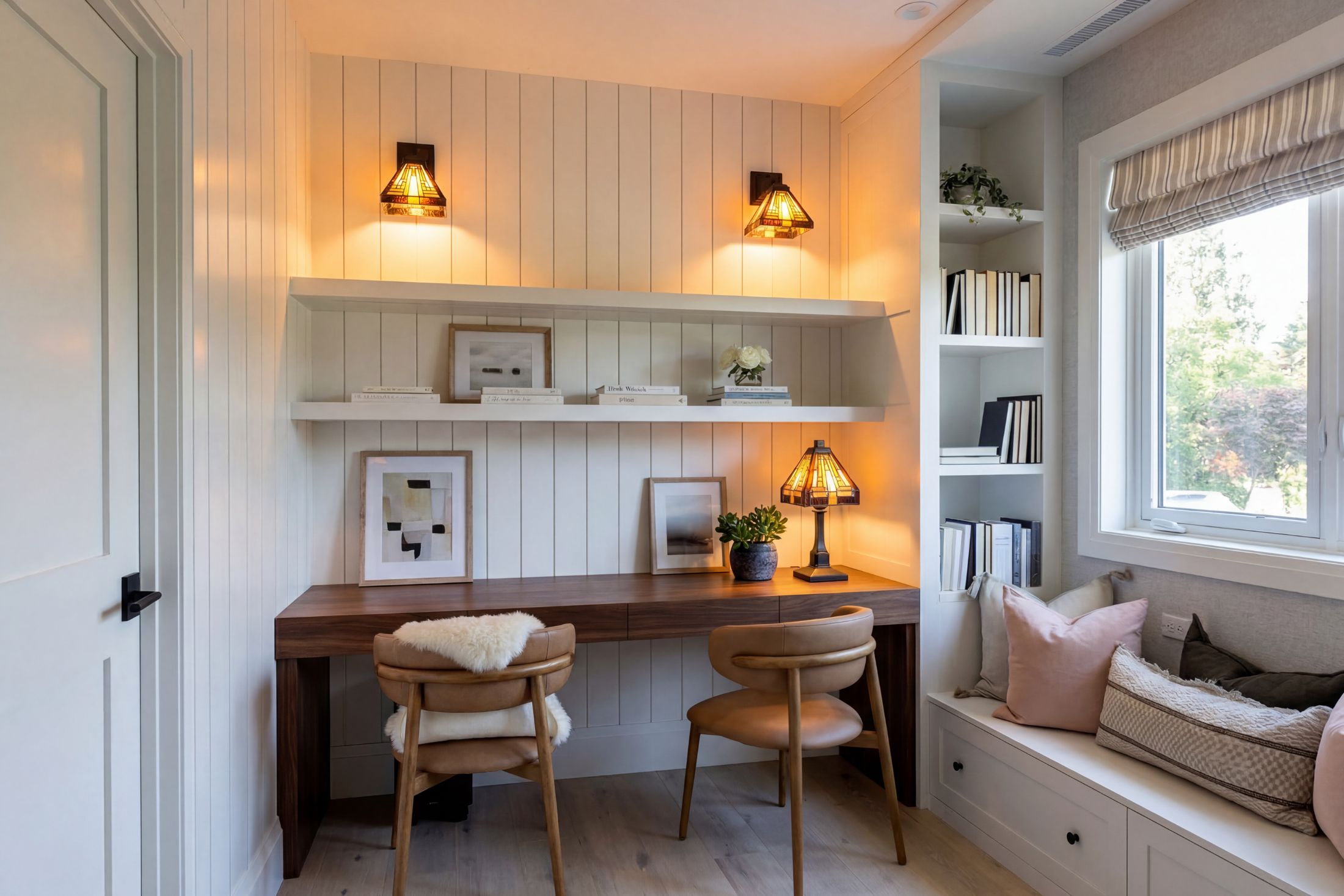
Lighting also affects mood more than people realize. A bright, balanced space is easier to sit in for longer stretches, which makes it easier to stay focused. That matters, especially for younger students or anyone learning at home without the structure of a classroom. Instead of treating lighting like a finishing touch, it should be part of the foundation of the space.
Fundamentals of Study Space Lighting
Start with Natural Light
Natural light is the best place to start. Position the desk or seating area near a window when possible. Ensure light comes from the side, not directly in front or behind. This keeps the workspace bright without creating glare on screens or casting shadows across books and notebooks.
Daylight is easier on the eyes than artificial light alone. It helps reduce screen fatigue and makes the space feel more open. Even a small amount can make a noticeable difference during long study sessions. That said, natural light isn’t consistent. It shifts throughout the day and disappears at night, which is why it should support your setup, not carry it.
Add Focused Task Lighting
Natural light sets the foundation, but task lighting keeps the space usable, especially as daylight shifts or fades. It ensures the workspace stays functional in the evening or on cloudy days and fills in gaps where natural light falls short. A ceiling light or mini pendant, centered above the desk, provides even lighting without harsh shadows or uneven brightness.
LED lighting is a practical choice. It’s energy efficient, long-lasting, and available in a range of color temperatures. Cooler tones support focus and alertness while doing homework, while slightly warmer tones are easier on the eyes later in the evening. For more control, integrated LED fixtures with dimming are worth considering. Adjusting brightness throughout the day makes a noticeable difference. The goal is simple. You should be able to sit down and work without shifting position, squinting, or dealing with screen glare.
Balance Function with Style
A study space needs to work well, but it also needs to feel good to use. If a study area feels cold, cluttered, or unfinished, it becomes harder to stay motivated. A clean, intentional setup is easier to use consistently, and lighting plays a key role in that. The fixture you choose should work with the room, not against it.
.jpg)
Flush mount ceiling lights are a reliable option for smaller rooms or lower ceilings. They provide even, consistent light without taking up visual space, helping the room feel more open. Pendant lights are better suited for larger spaces or dedicated study areas and help define a desks' zone. They also add a focal point without sacrificing function when scaled correctly.
If the study space is part of a bedroom or shared area, keep finishes and materials consistent with the rest of the room. The lighting should feel integrated, not like an afterthought.
Layering Light for Better Results
The most effective study spaces use more than one type of light. Start with ambient lighting, your main ceiling fixture that provides overall illumination. Then add task lighting focused on the desk to ensure the work surface is properly lit. If needed, adding subtle lighting components can soften the space and reduce contrast between bright and dark areas. This is helpful in rooms where one light source creates strong shadows.
Layering light creates balance, preventing the space from feeling too dim in some areas and too harsh in others. That balance makes it easier to stay comfortable and focused during longer study sessions.
Common Lighting Mistakes to Avoid
Even with the right fixtures, a few common mistakes can affect how the space functions.
- Placing the light directly behind the student: This creates shadows across books, keyboards, and work surfaces. Position lighting in front or slightly to the side of the desk instead.
- Letting glare hit the screen: Reflections can quickly become distracting, especially during longer study sessions. Adjust the angle of the light or reposition the desk to reduce glare.
- Using lighting that feels too dim or too harsh: Either extreme can lead to eye strain and discomfort. Choose balanced brightness or use dimmable lighting to adjust as needed.
- Skipping layered lighting altogether: Without multiple light sources, the space can feel unbalanced and harder to use. Combine ambient and task lighting for better coverage and comfort.
- Relying on a single overhead light: It may light the room, but it often leaves the desk uneven or shadowed. Add a dedicated task light to properly illuminate the workspace.
The goal is balance. A well-lit study space should feel effortless to use without constant adjustment.
Creating a Study Space That Actually Works
A study space works best when it’s designed around how your student actually works. Lighting should make it easier to focus, not force constant adjustments. If someone is leaning forward, shifting around, or adjusting their screen just to see clearly, something isn’t working.
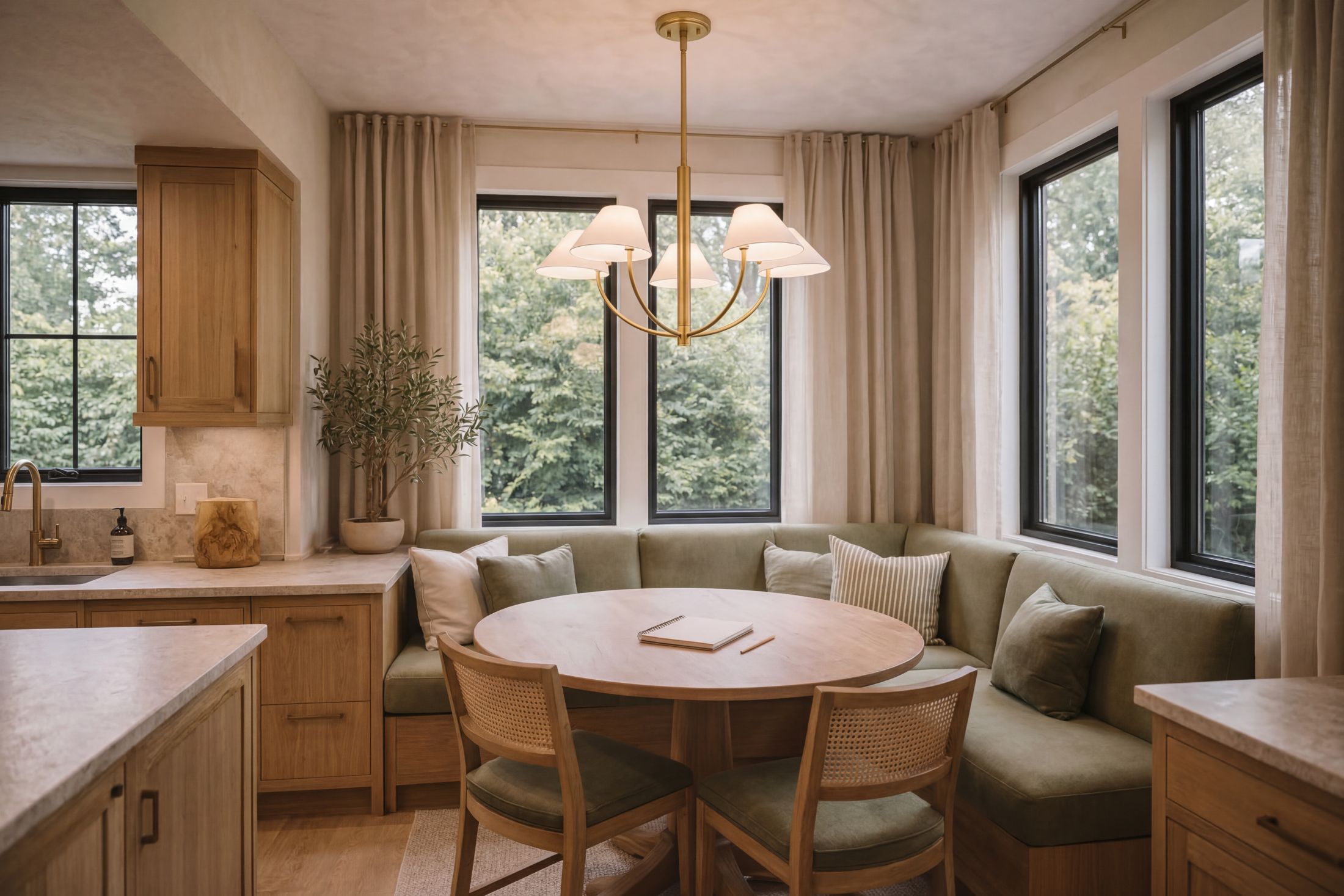
The setup should function from morning through evening without needing to be reconfigured. When natural light, task lighting, and fixture choice work together, the space feels easy to use. That consistency helps build better study habits over time.
Upgrade Your Study Space with the Right Lighting
Getting ready for the school year doesn’t require a full redesign. In many cases, updating the lighting is enough to transform how the space feels and functions. The right fixture improves visibility, reduces strain, and makes the space more comfortable to use every day. When a space feels good to sit in, it gets used. That’s what matters.
Explore office and study space lighting to find options that fit your home and support focus, comfort, and productivity.
Shop office and study space lighting here.
